 View Case
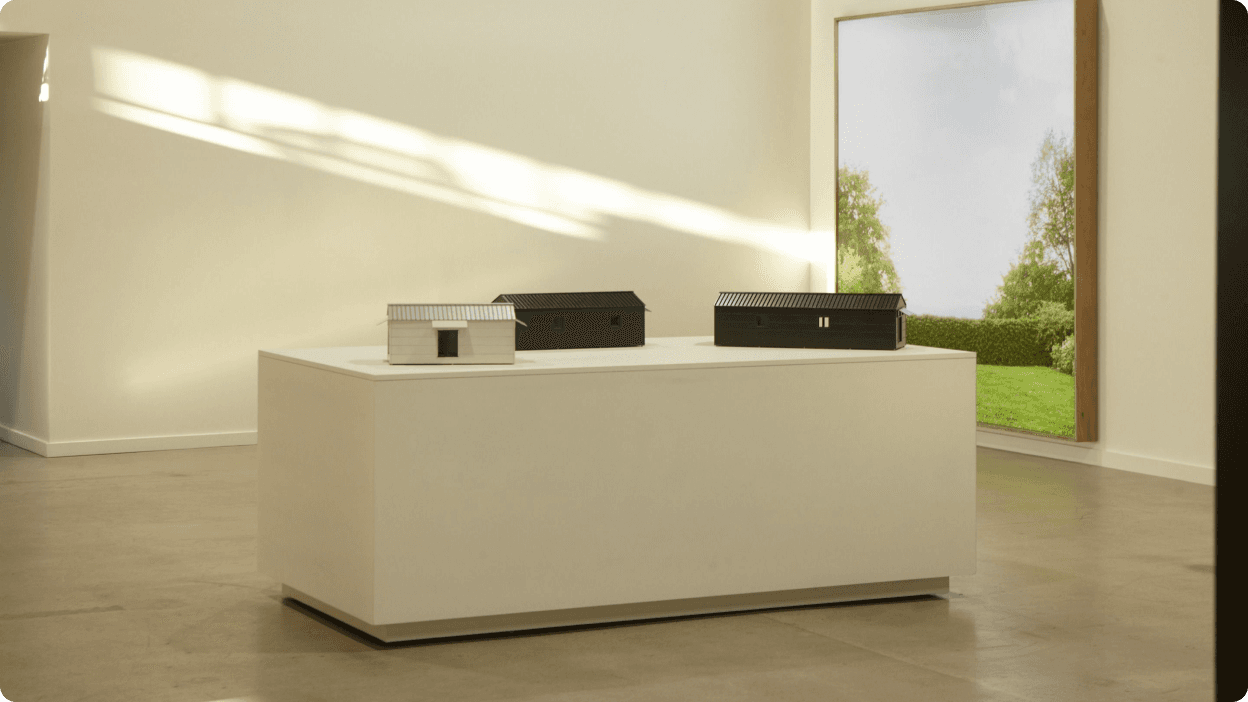
Qatar Fan Village
Modular housing units were used to support large-scale event accommodation, providing fast deployment, flexible layouts, and comfortable temporary living spaces for visitors and staff.
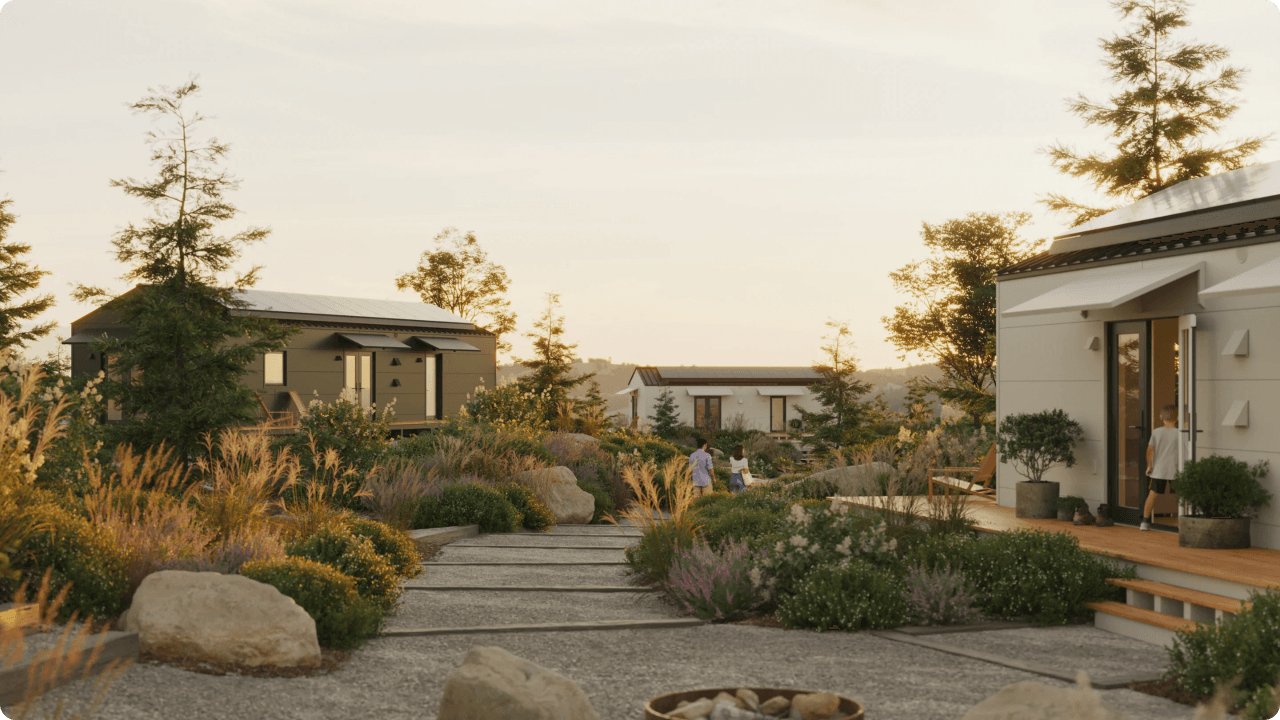
As global projects move faster and space demands become more flexible, modular buildings are becoming a smarter solution for construction sites, temporary housing, commercial spaces, emergency shelters, and public facilities. With faster installation, easier transportation, and customizable layouts, container-based buildings are helping projects reduce time, cost, and complexity.
Traditional construction often requires long planning cycles, heavy on-site work, and complex coordination. For many temporary or semi-permanent projects, this can slow down progress and increase overall costs.
Modular container houses offer a more efficient alternative. The main structure can be manufactured in advance, transported to the project site, and assembled quickly. This makes them especially suitable for projects that require rapid deployment, such as worker camps, emergency housing, project offices, event accommodation, and temporary public facilities.
One of the biggest advantages of modular buildings is flexibility. A single unit can serve as a bedroom, office, shop, medical room, restroom, or storage space. Multiple units can also be connected together to create larger functional areas, such as dormitories, meeting rooms, classrooms, restaurants, or project operation centers.
Depending on the project requirements, the layout, doors, windows, interior finishes, wall panels, flooring, and exterior colors can all be customized. This allows modular buildings to meet both practical needs and visual design expectations.
A good modular building is not just about speed. It also needs to perform reliably in real-world environments.
Detachable container houses are designed with steel frame structures, stable wall panels, and practical roof and floor systems. They can offer good resistance to deformation, weather conditions, and daily wear. With proper material selection, they can also support waterproof, fireproof, anti-corrosion, and insulation requirements.
This makes them suitable for a wide range of outdoor and project-based environments, from mining areas and construction sites to hotels, camps, medical facilities, and emergency resettlement areas.
For overseas or remote projects, transportation is often one of the biggest challenges. Modular buildings are designed with shipping efficiency in mind. Units can be packed and loaded more conveniently, helping reduce logistics pressure and making large-scale project delivery more manageable.
Compared with traditional construction, modular solutions can also reduce the amount of on-site work. This helps project owners save time, simplify installation, and improve overall execution efficiency.
As the demand for flexible, sustainable, and fast-deployment spaces continues to grow, modular buildings will play a bigger role in global construction. They are not only a temporary solution, but also a smarter building method for projects that require speed, adaptability, and long-term value.
For businesses, contractors, governments, and developers, modular container houses offer a new way to build faster, move easier, and respond better to changing space needs.